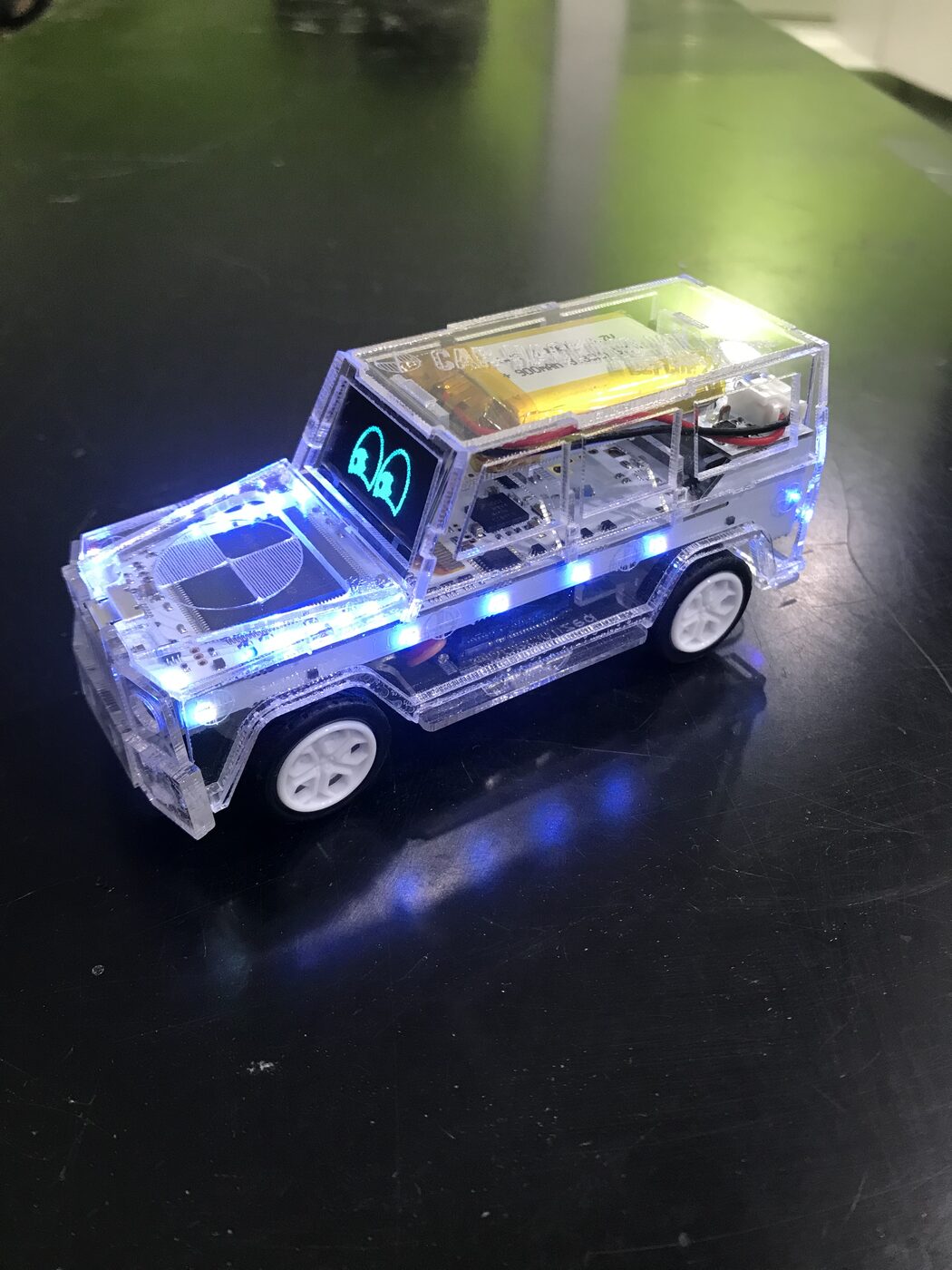
2019 DEF CON Car Hacking Village BadgeBuilt
A wearable electronic badge shaped like a clear acrylic SUV, with OLED, addressable LEDs and a LiPo battery. The circuit board is the chassis. About 350 built; I designed and assembled them.
Most of my professional work was for clients under NDA, so it isn't shown here. The builds below are the ones I'm able to share.
A wearable electronic badge shaped like a clear acrylic SUV, with OLED, addressable LEDs and a LiPo battery. The circuit board is the chassis. About 350 built; I designed and assembled them.
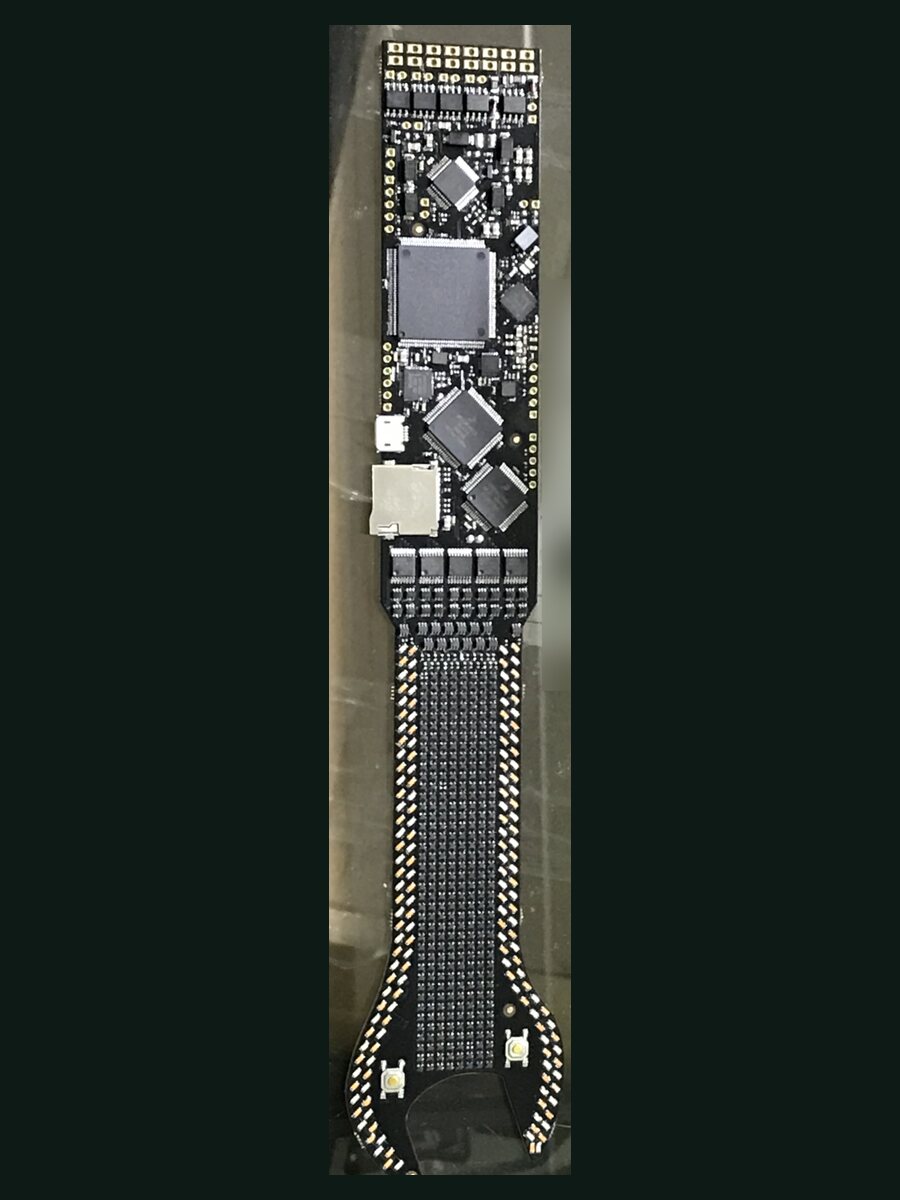
A wrench-shaped electronic badge for the 2018 Car Hacking Village: the board is the wrench, with an LED matrix in the handle, microSD, micro-USB, buttons and several large ICs. About 900 built; I designed and assembled them.
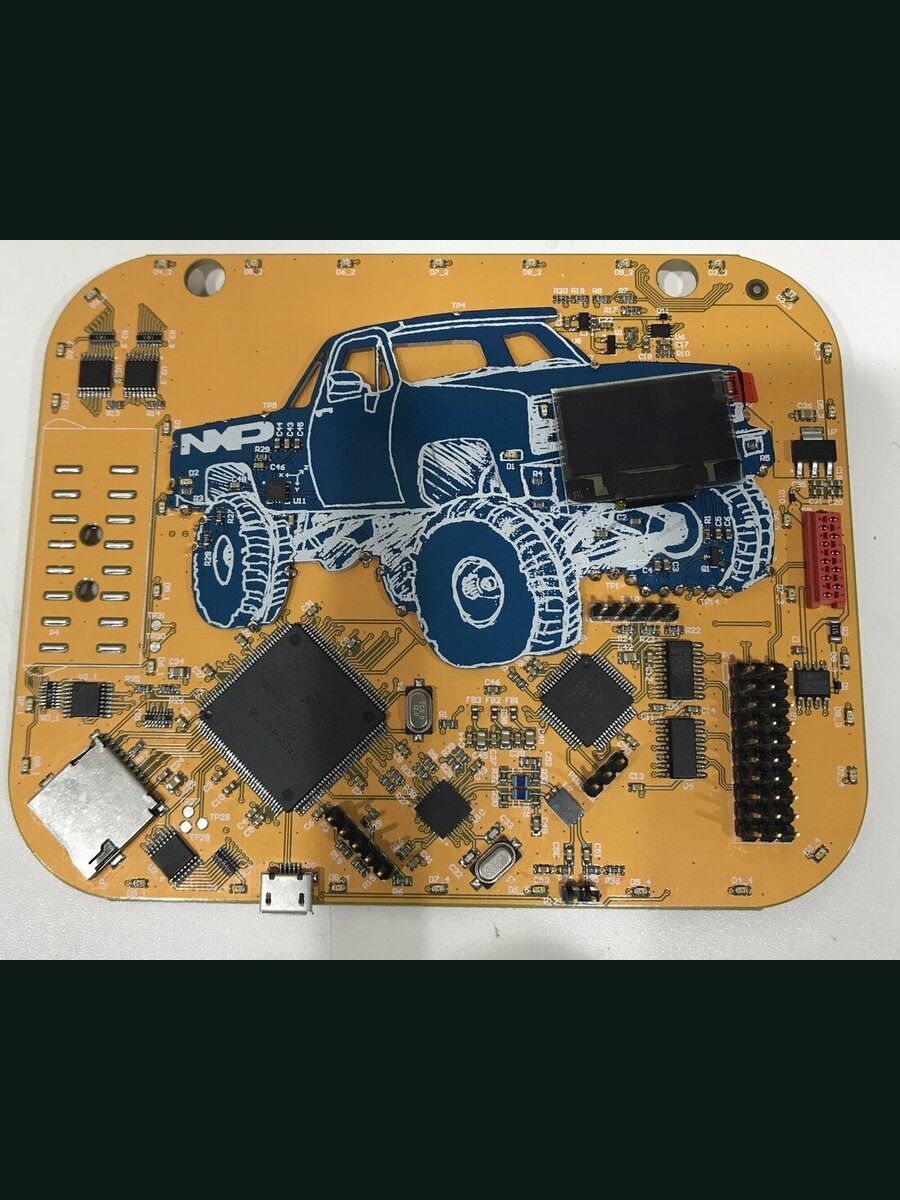
A truck-themed Car Hacking Village badge with an OLED, microSD, micro-USB and several large ICs. About 500 built; I designed them and assembled them on a Quad 4C.
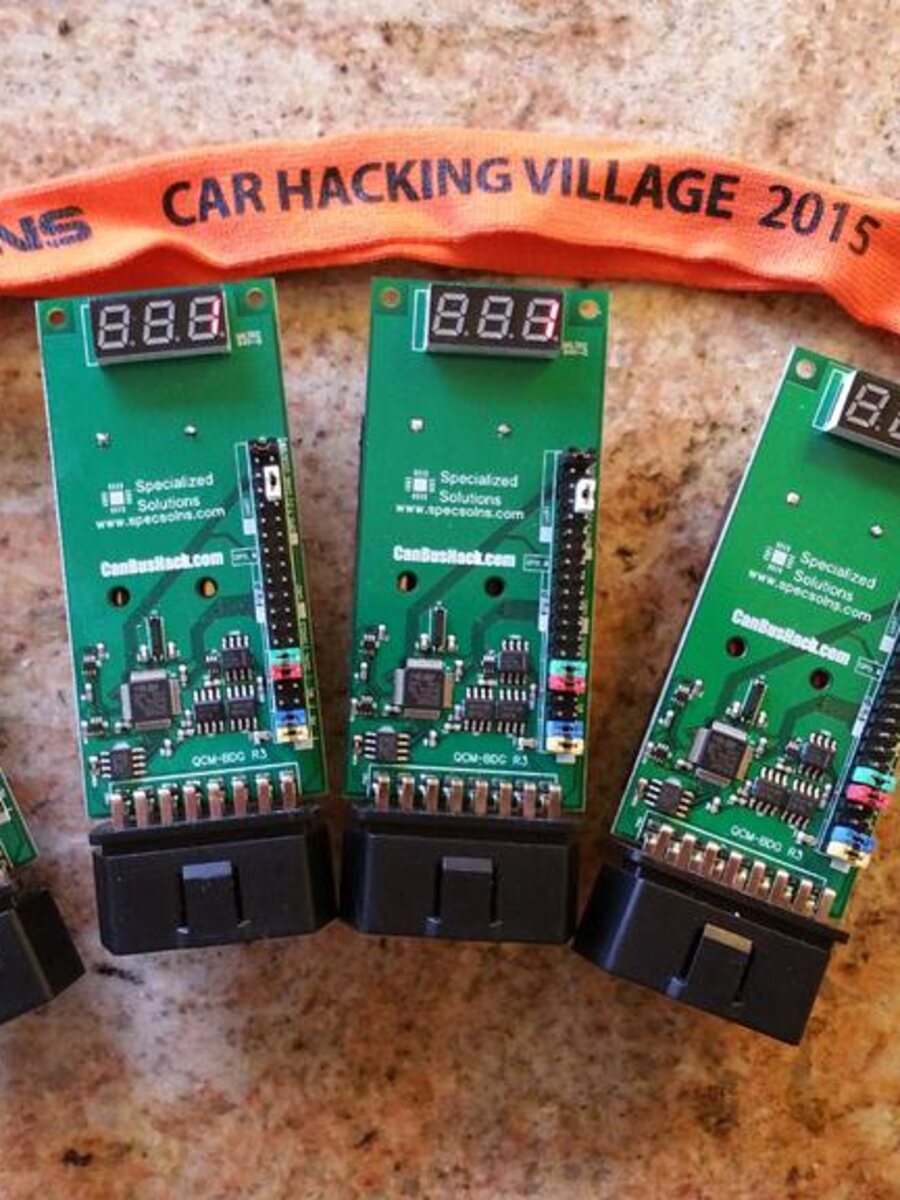
The first badge I designed for the Car Hacking Village: an OBD-II board with a three-digit display and a microcontroller, for DEF CON 23. About 250 built, assembled by Miltec Circuits.
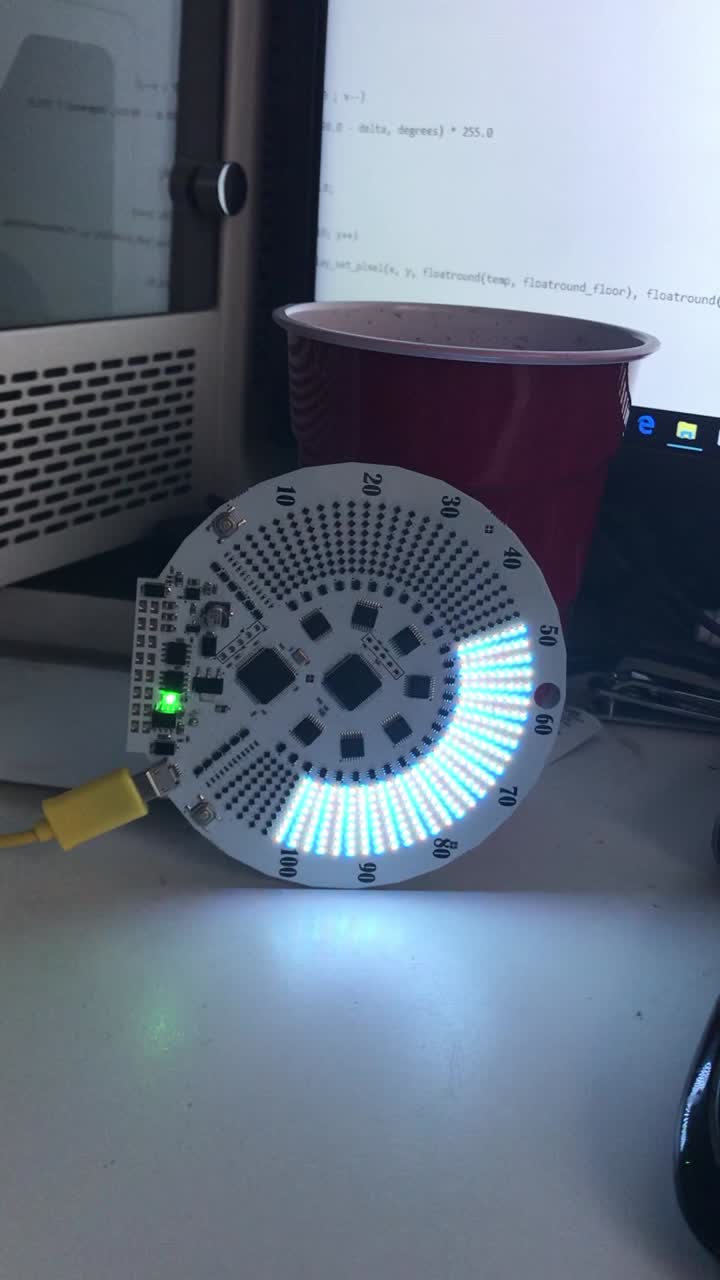
A round gauge-face board designed in Altium Designer after the 2018 Car Hacking Village badge wrench: hundreds of 0404 RGB LEDs around a printed speed scale, two microcontrollers and six 74HC595s. Not an official badge: I designed and assembled a small run for Specialized Solutions, and about 20 were sold at DEF CON 2019.
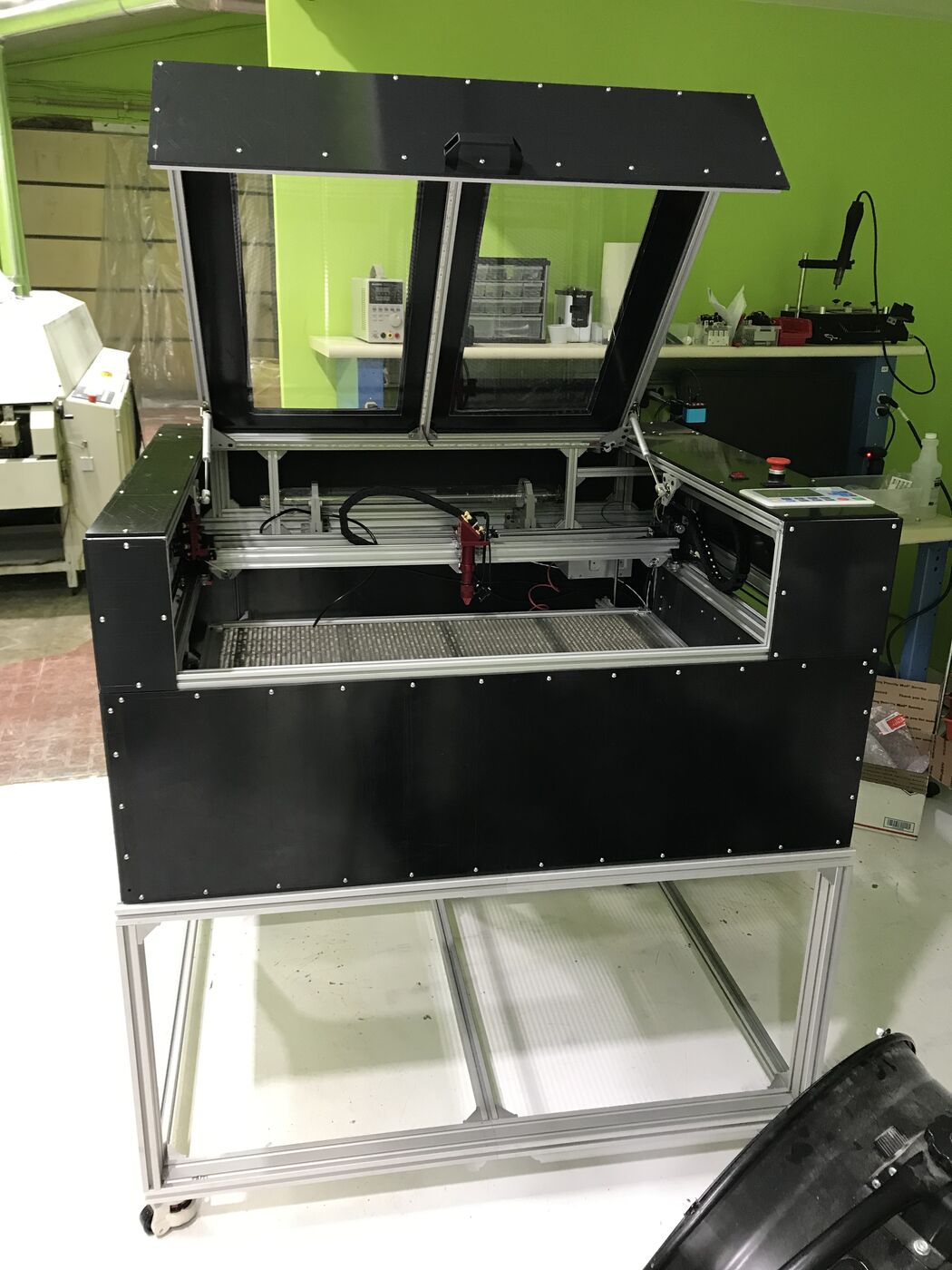
Designed and built in 2019 from components — OpenBuilds V-slot aluminum frame, Delrin wheels, belts and pulleys, steppers and drivers, controller, CO2 tube, honeycomb bed and a hinged enclosure. Used to cut the acrylic bodies for the 2019 Car Hacking Village badge.
LoRa-based climate and environmental monitoring system. The software is substantially built: a Python application with an enforced core/edge architecture and full automated test suite, C++ firmware for the ESP32/LoRa sensor nodes, a working web dashboard, and a companion iOS app. Hardware is earlier-stage — one sensor node running, sensors not yet wired in.
Electronics test automation platform (Python, written with AI assistance) on a Raspberry Pi 4, built to control lab equipment — a Rigol DS1202Z-E oscilloscope, Saleae Logic 8, TinySA Ultra, and NanoVNA — through a browser-based interface. Planned to test ESP32-based hardware, including Sky Whisper nodes: programming devices, running test firmware, checking communications, collecting measurements, and generating pass/fail reports.
Built the full Sky Whisper software stack in about a week with AI-assisted development: a Python application split into a portable core and platform-specific edge layers, with automated architecture tests enforcing the boundary between them, a matching test suite, C++ firmware for the ESP32/LoRa sensor nodes, a working web dashboard, and a companion iOS app. Hardware is earlier-stage by comparison — one sensor node running, sensors not yet wired in, currently blocked on sourcing the right resistor divider. Software-first, hardware close behind.